


Embracing Holistic Wellness Approach Methods

Living with chronic muscle, hip, knee, or back pain requires more than just temporary relief. It demands a comprehensive strategy that addresses the root causes and supports long-term healing. I have found that embracing a holistic wellness approach methods offers a balanced path to managing pain and improving mobility. This article explores practical ways to integrate this mindset into daily life.
Understanding Holistic Wellness Approach Methods
Holistic wellness approach methods focus on treating the whole person, not just the symptoms. This means considering physical, mental, and emotional health together. For example, chronic pain often affects mood and sleep, which in turn can worsen physical discomfort. Addressing these interconnected factors can lead to better outcomes.
Some key components include:
Physical therapy: Targeted exercises to strengthen muscles and improve joint function.
Nutrition: Eating anti-inflammatory foods to reduce pain and support healing.
Mindfulness and stress management: Techniques like meditation to calm the nervous system.
Sleep hygiene: Establishing routines that promote restorative sleep.
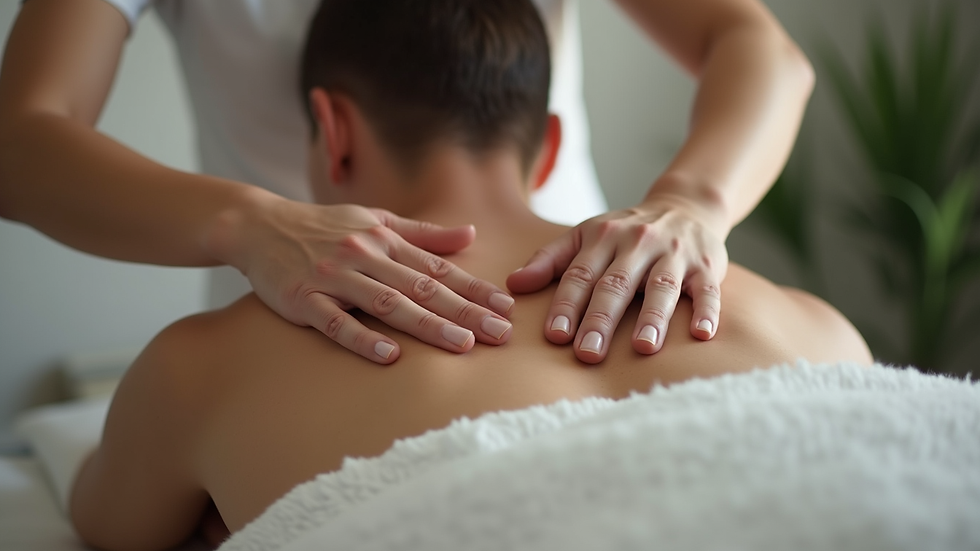
Alternative therapies: Massage, acupuncture, or Thai therapy to relieve tension and improve circulation.
By combining these elements, I have seen how a holistic wellness approach can reduce pain and enhance quality of life.

Practical Steps to Implement Holistic Wellness Approach Methods
Starting a holistic wellness routine can feel overwhelming. I recommend breaking it down into manageable steps:
Assess your current habits: Track your pain levels, sleep patterns, diet, and stress triggers for a week.
Set realistic goals: Choose one or two areas to improve first, such as adding gentle stretching or improving sleep.
Incorporate movement: Low-impact activities like swimming, walking, or yoga can strengthen muscles without strain.
Adjust your diet: Focus on whole foods rich in omega-3s, antioxidants, and vitamins. Avoid processed foods that may increase inflammation.
Practice relaxation techniques: Start with 5-10 minutes of deep breathing or guided meditation daily.
Seek professional support: Consult with therapists who specialize in chronic pain and holistic methods.
Consistency is key. Small changes over time build a foundation for lasting relief.
The Role of Specialized Therapeutic Techniques
Specialized therapeutic techniques play a vital role in managing chronic pain. Techniques such as Thai therapy combine massage, stretching, and acupressure to target muscle tension and improve joint mobility. These therapies complement exercise and lifestyle changes by addressing physical restrictions directly.
For example, Thai therapy sessions often focus on the hips and lower back, areas commonly affected by chronic pain. The therapist uses rhythmic pressure and assisted stretches to release tight muscles and improve circulation. This can lead to immediate pain reduction and increased range of motion.
Other therapies like myofascial release or trigger point therapy also help by targeting specific muscle knots and adhesions. These treatments work best when integrated into a broader wellness plan.

Supporting Mental and Emotional Well-being
Chronic pain affects more than the body. It can lead to anxiety, depression, and social isolation. Addressing mental and emotional health is essential in a holistic wellness approach.
I suggest:
Mindfulness meditation: Helps reduce stress and improve pain tolerance.
Cognitive-behavioral therapy (CBT): Provides tools to manage negative thoughts related to pain.
Social support: Connecting with others who understand your experience can reduce feelings of isolation.
Journaling: Tracking emotions and progress can increase self-awareness and motivation.
These practices help create a positive mindset, which supports physical healing.
Creating a Sustainable Wellness Routine
The goal is to build a sustainable routine that fits your lifestyle. Here are some tips:
Schedule regular therapy sessions: Consistency enhances benefits.
Set reminders for exercises and relaxation: Use apps or alarms to stay on track.
Prepare meals ahead: Plan anti-inflammatory meals to avoid last-minute unhealthy choices.
Adjust as needed: Listen to your body and modify activities to prevent overexertion.
Celebrate progress: Acknowledge small improvements to stay motivated.
By making wellness a priority, you can regain control over your pain and improve your quality of life.
Moving Forward with Confidence
Adopting a holistic wellness approach has transformed how I manage chronic pain. It requires patience and commitment but offers a path to lasting relief and improved mobility. Combining physical therapies, lifestyle changes, and mental health support creates a balanced strategy that addresses all aspects of well-being.
If you live with chronic muscle, hip, knee, or back pain, consider exploring these methods. With the right support and consistent effort, you can regain function and enjoy a better quality of life.


Comments