
Enhancing Blood Circulation Through Massage: Enhanced Blood Circulation Techniques

Massage therapy offers a practical way to improve blood flow in the body. For those dealing with chronic muscle, hip, knee, or back pain, better circulation can mean reduced discomfort and faster recovery. I have explored various massage methods that focus on enhanced blood circulation techniques. These methods help deliver oxygen and nutrients to tissues more efficiently, promoting healing and easing stiffness.
Understanding Enhanced Blood Circulation Techniques
Blood circulation is essential for overall health. It carries oxygen and nutrients to muscles and organs while removing waste products. When circulation slows, muscles can feel tight and painful. This is common in areas like the hips, knees, and back, especially with chronic pain conditions.
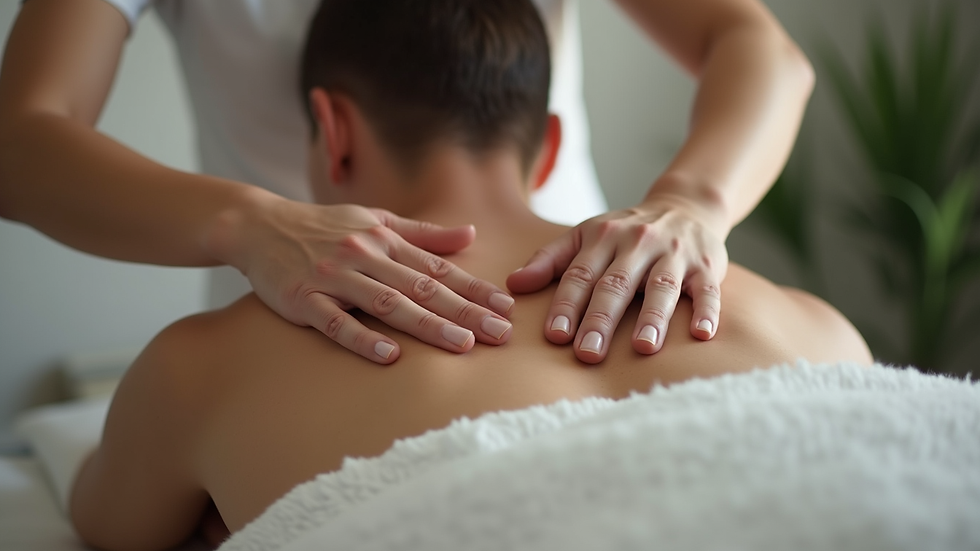
Enhanced blood circulation techniques in massage involve specific strokes and pressure patterns. These techniques stimulate blood vessels and encourage blood flow. For example, long, sweeping strokes along the limbs help push blood back toward the heart. Kneading and circular motions increase local blood supply to tight muscles.
Some common techniques include:
Effleurage: Light, gliding strokes that warm up the muscles.
Petrissage: Kneading and squeezing to loosen muscle tissue.
Tapotement: Rhythmic tapping to stimulate nerves and circulation.
Friction: Deep, focused pressure to break down adhesions and improve flow.
Using these techniques in combination can target problem areas effectively. The goal is to increase circulation without causing pain or discomfort.

How Massage Improves Circulation and Relieves Pain
Massage affects circulation in several ways. First, it physically moves blood through the vessels. This helps prevent pooling and stagnation, which can worsen pain and swelling. Second, massage relaxes muscle tissue. Tight muscles can compress blood vessels, reducing flow. When muscles relax, vessels open wider, allowing better circulation.
Improved circulation also speeds up the removal of metabolic waste like lactic acid. This reduces muscle soreness and stiffness. Additionally, massage triggers the release of endorphins, natural painkillers that improve mood and reduce the perception of pain.
For chronic pain in joints such as hips and knees, massage can reduce inflammation by increasing blood flow to the area. This supports tissue repair and reduces stiffness. Regular sessions can maintain these benefits and improve mobility over time.
Practical Massage Techniques to Try at Home
You do not need to visit a professional therapist every time. Some simple massage techniques can be done at home to support enhanced blood circulation.
Self-effleurage: Use your hands to gently stroke the limbs from the extremities toward the heart. This helps push blood upward.
Circular kneading: Apply gentle circular pressure with your fingers or thumbs on tight muscle spots. This increases local blood flow.
Foot massage: The feet have many pressure points. Use your thumbs to press and rub the soles to stimulate circulation.
Use massage tools: Foam rollers or massage balls can help release muscle tension and improve blood flow.
Always start gently and increase pressure gradually. Avoid massaging directly over inflamed or injured areas. If pain worsens, stop and consult a healthcare professional.

When to Seek Professional Massage Therapy
While home techniques are helpful, professional massage therapy offers deeper benefits. Therapists are trained to apply precise pressure and use advanced techniques tailored to your condition. They can target hard-to-reach muscles and joints effectively.
If you experience persistent pain or limited mobility in your hips, knees, or back, professional massage can be part of a comprehensive treatment plan. Therapists can also combine massage with other therapies like stretching or heat treatment for better results.
Regular sessions can help maintain improved circulation and reduce chronic pain symptoms. It is important to communicate your pain levels and preferences to the therapist to ensure a safe and effective experience.
Supporting Enhanced Blood Circulation Beyond Massage
Massage is one part of a broader approach to improving circulation and managing pain. Other lifestyle habits can support these efforts:
Stay active: Gentle exercises like walking or swimming promote blood flow.
Hydrate well: Water helps maintain healthy blood volume and flow.
Maintain a healthy weight: Excess weight can strain joints and reduce circulation.
Wear compression garments: These can support blood flow in the legs.
Practice good posture: Avoid positions that restrict circulation, especially during long periods of sitting.
Combining these habits with regular massage can provide lasting relief and improve quality of life.
For those interested in enhancing blood circulation, massage therapy offers a proven, natural method. It supports healing and eases chronic pain without relying on medication.
Taking Steps Toward Better Mobility and Comfort
Improving blood circulation through massage is a practical step toward reducing chronic muscle and joint pain. By incorporating enhanced blood circulation techniques, you can support your body’s natural healing processes. Whether through self-massage or professional therapy, consistent care helps restore mobility and comfort.
On Point Thai Therapy focuses on these specialized techniques to help individuals regain their quality of life. If you struggle with chronic pain in your hips, knees, or back, consider massage as part of your pain management strategy. Small, regular efforts can lead to significant improvements over time.


Comments