
How Massage Therapy Improves Circulation and Supports Whole-Body Healing

Good circulation is one of the most important foundations of overall health. Your circulatory system is responsible for delivering oxygen and nutrients throughout the body while removing waste products like carbon dioxide and metabolic byproducts. When circulation is restricted—whether from stress, injury, posture, or chronic conditions—your body can feel stiff, fatigued, and slow to heal.
Massage therapy is one of the most effective natural ways to support and improve circulation, helping the body function and recover more efficiently.
How Massage Improves Circulation
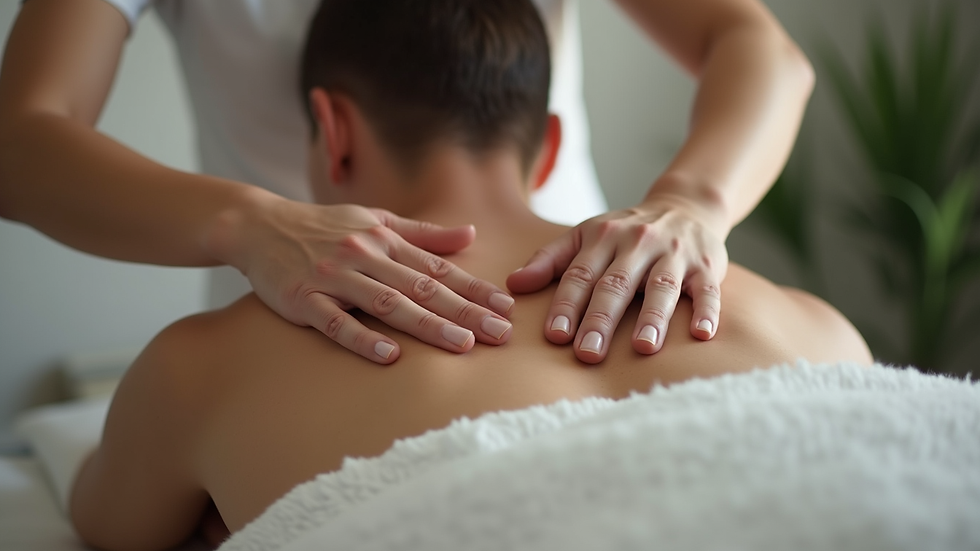
Massage works directly with the body’s soft tissues—muscles, fascia, and connective tissue—to encourage healthy blood flow in several key ways:
1. Mechanical Pressure on Blood Vessels As muscles are compressed and released during massage, blood is physically pushed through congested areas. This helps fresh oxygen-rich blood move into tissues that may be tight or restricted.
2. Vasodilation (Widening of Blood Vessels) Massage encourages the relaxation of blood vessel walls, allowing them to expand. This makes it easier for blood to flow more freely throughout the body.
3. Improved Lymphatic Flow The lymphatic system works closely with circulation to remove toxins and waste. Massage stimulates lymph movement, helping reduce swelling and support immune function.
4. Muscle Relaxation Reduces Restriction Tight muscles can compress blood vessels and limit circulation. Releasing tension allows normal blood flow to return to affected areas.
Benefits of Improved Circulation Through Massage
When circulation improves, the effects are felt throughout the entire body. Some of the most noticeable benefits include:
Faster muscle recovery after injury or exercise
Reduced muscle soreness and stiffness
Increased energy levels and reduced fatigue
Better joint mobility and flexibility
Improved skin health and tissue nourishment
Enhanced relaxation and stress reduction
Conditions That Benefit from Massage-Enhanced Circulation
Massage therapy can be especially helpful for a variety of common conditions where circulation is compromised or plays a key role in recovery.
1. Chronic Muscle Pain and Tension
Poor circulation often contributes to ongoing muscle tightness. Massage helps break this cycle by increasing blood flow and delivering nutrients needed for repair.
2. Injury Recovery
After an injury, swelling and reduced circulation can slow healing. Massage supports tissue repair by improving oxygen delivery and helping remove waste buildup.
3. Headaches and Migraines
Tension in the neck and shoulders can restrict blood flow to the head. Massage helps relax these areas, often reducing both frequency and intensity of headaches.
4. Poor Posture and Sedentary Lifestyle Effects
Long hours of sitting can reduce circulation, especially in the lower back, hips, and legs. Massage restores movement and helps re-energize stagnant tissues.
5. Stress-Related Conditions
Chronic stress restricts blood flow by keeping the body in a “fight or flight” state. Massage activates the parasympathetic nervous system, improving circulation and promoting deep relaxation.
6. Swelling and Fluid Retention
Techniques that support lymphatic drainage can help reduce swelling and improve overall fluid balance in the body.
Why Circulation Matters for Long-Term Health
Healthy circulation doesn’t just affect muscles—it impacts every system in the body. When blood and lymph flow freely, the body becomes more efficient at healing, repairing, and maintaining balance.
Massage therapy supports this natural process, making it a valuable part of both preventative care and treatment for existing conditions.
Supporting Your Body Naturally
At On Point Thai Therapy, treatments are designed not only to relieve pain and tension but also to restore healthy movement and circulation throughout the body. Each session is focused on supporting your body’s natural ability to heal and function at its best.
If you’re dealing with tight muscles, slow recovery, or chronic discomfort, improving circulation through massage may be an important step toward feeling better long-term.


Comments