

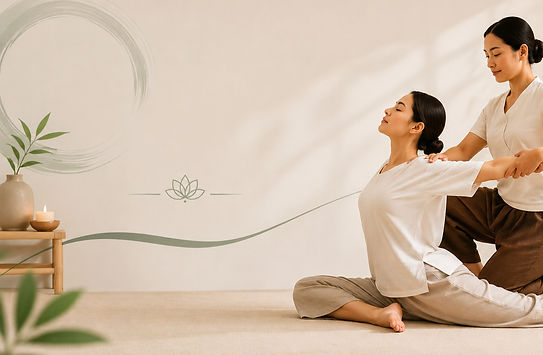
How to Reduce Muscle Tension and Fatigue While Boosting Your Wellbeing
- Butsara Khotcharak
- Mar 14
- 2 min read

In today’s fast-paced world, stress and fatigue can sneak up on us, leaving our bodies tense and our minds drained. Muscle tension and fatigue are often signs that your body is overloaded, but the good news is that there are simple, effective ways to relieve tension, restore energy, and promote a healthy lifestyle.
1. Understand the Source of Muscle Tension
Muscle tension can be caused by physical activity, poor posture, stress, or repetitive movements. Common areas affected include the neck, shoulders, back, and legs. Fatigue often accompanies tension, making even simple daily tasks feel exhausting. By identifying the root cause—whether it’s work-related stress, long hours at a desk, or lack of sleep—you can take steps to prevent it from building up.
2. Stretch and Move Regularly
Sitting or standing in one position for too long can tighten muscles and reduce blood flow. Incorporating gentle stretching throughout your day can:
Improve circulation
Increase flexibility
Reduce muscle stiffness
Boost energy levels
Simple stretches for the neck, shoulders, and lower back can make a big difference. Even 5–10 minutes a few times a day can help your muscles relax and your mind feel refreshed.
3. Stay Hydrated and Nourished
Dehydration and poor nutrition can contribute to muscle fatigue and tension. Drinking enough water and eating a balanced diet rich in fruits, vegetables, and lean protein supports muscle function and helps prevent fatigue. Foods rich in magnesium, such as leafy greens, nuts, and seeds, can also help muscles relax naturally.
4. Prioritize Rest and Recovery
Your muscles need time to recover, especially after physical activity. Adequate sleep and scheduled rest periods are essential for reducing tension and maintaining energy. Consider incorporating relaxation techniques like deep breathing, meditation, or mindfulness to help your body and mind recharge.
5. Use Therapeutic Techniques
Massage therapy, foam rolling, and heat or cold therapy can target tight muscles and promote relaxation. Regular massage not only relieves tension but also reduces stress hormones, improves circulation, and helps maintain a healthy range of motion.
6. Foster a Healthy Mental Attitude

Physical tension often mirrors mental tension. Managing stress through positive mental habits is just as important as caring for your body. Techniques to support a healthy mindset include:
Practicing gratitude daily
Setting achievable goals
Taking breaks to enjoy nature
Engaging in activities you love
A balanced mental approach helps prevent burnout and keeps your body feeling lighter and more energetic.
7. Create a Consistent Healthy Lifestyle
The best results come from consistency. Incorporating regular exercise, proper nutrition, mindfulness, and self-care into your daily routine can significantly reduce muscle tension, prevent fatigue, and improve overall wellbeing. Small, consistent actions over time create lasting benefits for your body and mind.
Taking care of your muscles and your mental health is an ongoing process. By paying attention to your body, staying active, eating well, and managing stress, you can reduce tension, feel more energized, and enjoy a healthier, happier lifestyle.


Comments