
Mastering Key Thai Massage Techniques for Effective Therapy
- Butsara Khotcharak
- Feb 28
- 3 min read

Traditional Thai massage offers a unique approach to healing and relaxation. It combines physical manipulation, stretching, and pressure point stimulation to relieve muscle tension and improve overall well-being. I have explored these methods deeply to understand how to deliver the best therapeutic experience. This post shares essential insights into mastering key Thai massage techniques that can help you achieve effective results.
Understanding the Foundations of Key Thai Massage Techniques
Thai massage is rooted in ancient practices that focus on energy lines called "Sen." The goal is to unblock these lines to restore balance and promote healing. The techniques involve a combination of rhythmic pressing, stretching, and gentle rocking motions.
To master these techniques, it is important to:
Learn the body’s energy pathways and pressure points.
Develop a sense of timing and rhythm in applying pressure.
Use body weight effectively to avoid strain.
Combine stretching with massage to increase flexibility.
For example, when applying pressure along the Sen lines, I use my thumbs and palms to press steadily but gently. This helps release tension without causing discomfort. Stretching follows, where I guide limbs through controlled movements to enhance joint mobility.
Key Thai Massage Techniques for Muscle Relief and Relaxation
The core techniques include:
Palming and Thumbing
Applying firm pressure with the palms and thumbs along muscle groups and energy lines. This technique targets knots and tight areas.
Passive Stretching
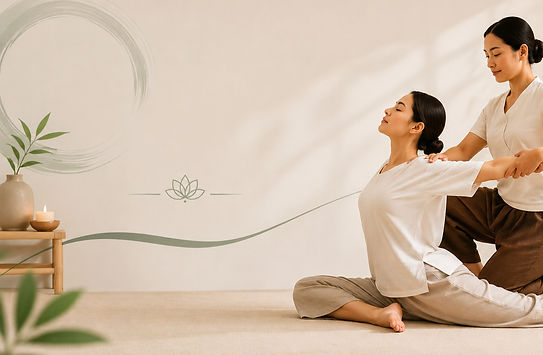
Moving the client’s limbs through a range of motion to stretch muscles and joints. This improves flexibility and reduces stiffness.
Joint Mobilization
Gentle manipulation of joints to increase circulation and relieve tension.
Rhythmic Rocking
Using rocking motions to relax muscles and calm the nervous system.
Each technique requires precise control and sensitivity to the client’s feedback. For instance, during passive stretching, I always ensure the movement is smooth and within the client’s comfort zone. This prevents injury and maximizes benefits.

Practical Tips for Applying Traditional Thai Massage Techniques
Mastering these techniques demands practice and attention to detail. Here are some actionable recommendations:
Start with a warm-up: Use light strokes to prepare muscles before deeper work.
Communicate clearly: Check in with the client about pressure and comfort.
Use your body weight: Lean into the pressure rather than relying solely on arm strength.
Maintain proper posture: This protects your body and allows for better control.
Focus on breathing: Synchronize your movements with your breath to maintain rhythm.
For example, when performing palming, I position my body so that my weight naturally presses down, reducing fatigue. I also pause briefly at key points to allow the muscles to respond.
Integrating Traditional Thai Massage Techniques into Therapy Sessions
Incorporating these techniques into a session requires a structured approach. I typically follow this sequence:
Begin with gentle rocking and light strokes to relax the client.
Apply palming and thumbing along major muscle groups.
Perform passive stretching on limbs and spine.
Mobilize joints with careful manipulation.
Finish with calming strokes to soothe the nervous system.
This flow ensures a balanced session that addresses both muscle tension and energy flow. Adjustments are made based on the client’s needs and feedback.

Building Expertise in Thai Massage for Therapeutic Success
Becoming proficient in these methods takes time and dedication. I recommend:
Attending certified training programs focused on authentic techniques.
Practicing regularly to develop sensitivity and precision.
Studying anatomy to understand muscle and joint function.
Seeking feedback from clients to refine your approach.
By mastering traditional thai massage techniques, you can provide effective relief from muscle tension and stress. This expertise helps build trust and a strong reputation for professional service.
Enhancing Client Experience with Skilled Thai Massage
Delivering a therapeutic massage is not just about technique. It also involves creating a calm and welcoming environment. I focus on:
Maintaining a clean and comfortable space.
Using appropriate pressure and pace.
Listening carefully to client needs.
Offering aftercare advice for lasting benefits.
These practices complement the physical techniques and contribute to a positive overall experience.
Mastering key Thai massage techniques is a rewarding journey. It allows you to help others find relief and relaxation through time-tested methods. With consistent practice and attention to detail, you can achieve skilled and professional service that stands out.


Comments