
Thai Massage Health Benefits

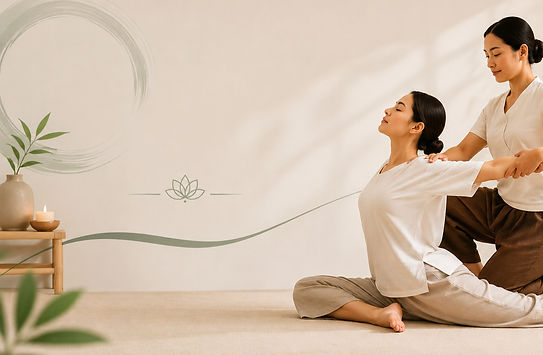
Thai massage is an ancient healing practice that combines acupressure, Indian Ayurvedic principles, and assisted yoga postures. It has been used for centuries to relieve pain, improve flexibility, and promote overall wellness. I have explored its effects on chronic muscle, hip, knee, and back pain, and found it to be a valuable therapy for those seeking relief and improved mobility.
Thai Massage Health Benefits
Thai massage offers a range of health benefits that go beyond simple relaxation. It targets muscles, joints, and energy lines to restore balance and function. Here are some key benefits I have observed:
Pain Relief: Thai massage helps reduce chronic pain by loosening tight muscles and improving blood circulation. This is especially helpful for those with persistent back, hip, or knee pain.
Improved Flexibility: The assisted stretching techniques increase joint mobility and muscle flexibility. This can prevent injuries and improve overall movement.
Stress Reduction: The rhythmic pressure and stretching calm the nervous system, lowering stress hormones and promoting relaxation.
Enhanced Circulation: By stimulating blood flow, Thai massage supports faster healing and reduces inflammation.
Better Posture: Regular sessions can correct muscle imbalances that cause poor posture and related pain.
Energy Boost: The massage works on energy lines (Sen lines) to unblock stagnation and increase vitality.
These benefits make Thai massage a comprehensive approach to managing chronic musculoskeletal issues. For more detailed information on thai massage benefits, you can visit the linked resource.
How Thai Massage Works on Chronic Pain
Thai massage uses a combination of techniques that differ from typical Western massage. It involves:
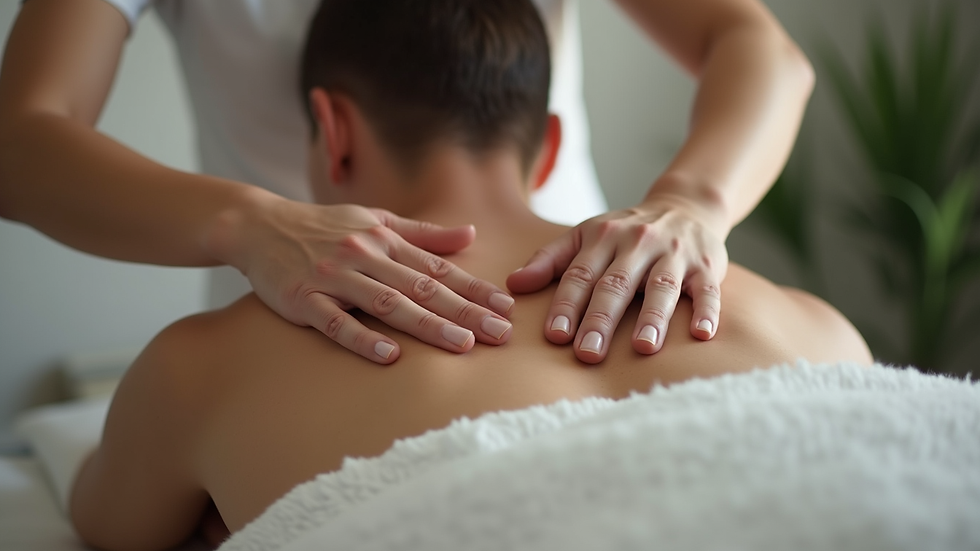
Palming and Thumbing: Applying firm pressure along energy lines to release tension.
Stretching: Assisted yoga-like stretches that open tight muscles and joints.
Rocking Movements: Gentle rocking to relax muscles and improve joint mobility.
Compression: Rhythmic pressing to stimulate circulation and reduce swelling.
For chronic muscle, hip, knee, or back pain, these methods help by:
Breaking down adhesions and scar tissue.
Increasing synovial fluid in joints for smoother movement.
Reducing muscle spasms and stiffness.
Enhancing nerve function through improved blood flow.
I recommend starting with a consultation to identify specific pain points and tailor the massage accordingly. Consistency is key; regular sessions yield the best results.
What not to do after a Thai massage?
After a Thai massage, your body is in a state of relaxation and healing. To maximize the benefits, avoid the following:
Strenuous Exercise: Give your muscles time to recover instead of pushing them hard immediately.
Heavy Meals: Eat light and healthy to avoid digestive discomfort.
Alcohol Consumption: Alcohol can dehydrate and counteract the massage’s restorative effects.
Ignoring Hydration: Drink plenty of water to flush out toxins released during the massage.
Skipping Rest: Allow your body to rest and absorb the benefits fully.
Following these guidelines helps maintain the positive effects and supports long-term pain relief.

Practical Tips for Getting the Most from Thai Massage
To enhance your experience and results, consider these tips:
Communicate Clearly: Tell your therapist about your pain areas and pressure preferences.
Wear Comfortable Clothing: Loose, stretchable clothes allow better movement during the massage.
Schedule Regular Sessions: Consistency helps maintain flexibility and reduce pain.
Combine with Other Therapies: Physical therapy or gentle exercise can complement the massage.
Practice Mindful Breathing: Deep breathing during the session can increase relaxation and pain relief.
By following these steps, you can make Thai massage a powerful part of your pain management routine.
Embracing Thai Massage for Long-Term Wellness
Incorporating Thai massage into your health regimen can significantly improve quality of life. It addresses the root causes of chronic pain and supports natural healing. Over time, you may notice:
Increased range of motion.
Reduced reliance on pain medication.
Better sleep quality.
Enhanced mental clarity and calmness.
On Point Thai Therapy focuses on these therapeutic techniques to help individuals regain mobility and live pain-free. If you suffer from chronic muscle or joint pain, exploring Thai massage could be a step toward lasting relief.
Consider booking a session to experience these benefits firsthand. Your body will thank you for the care and attention.


Comments