
Top Methods for Muscle Tension Relief Techniques

Muscle tension can cause discomfort and limit daily activities. I have found that addressing muscle tightness early helps prevent chronic pain. Over time, I learned several effective methods to ease muscle stiffness and improve mobility. These techniques are practical and can be done at home or with professional guidance.
Understanding Muscle Tension Relief Techniques
Muscle tension relief techniques focus on reducing tightness and improving blood flow to affected areas. These methods help relax muscles, reduce pain, and restore function. Common causes of muscle tension include poor posture, stress, overuse, and injury. Identifying the root cause is important to choose the right approach.
Some techniques target specific muscle groups, while others promote overall relaxation. Combining different methods often yields the best results. I recommend trying several options to find what works best for your body.
Effective Muscle Tension Relief Techniques
Here are some of the most effective techniques I use and recommend:
1. Stretching Exercises
Stretching helps lengthen tight muscles and improve flexibility. It is best to perform gentle stretches targeting the neck, shoulders, back, hips, and legs. Hold each stretch for 20-30 seconds without bouncing. Examples include:
Neck tilts and rotations
Shoulder rolls and cross-body arm stretches
Hamstring and calf stretches
Hip flexor stretches
Regular stretching reduces stiffness and prevents muscle imbalances.
2. Heat Therapy
Applying heat increases blood flow and relaxes muscles. Use a heating pad, warm towel, or take a warm bath. Heat therapy is especially helpful before stretching or exercise. Avoid heat on swollen or inflamed areas.
3. Massage Therapy
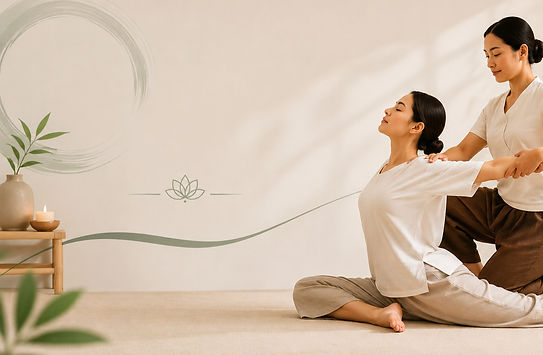
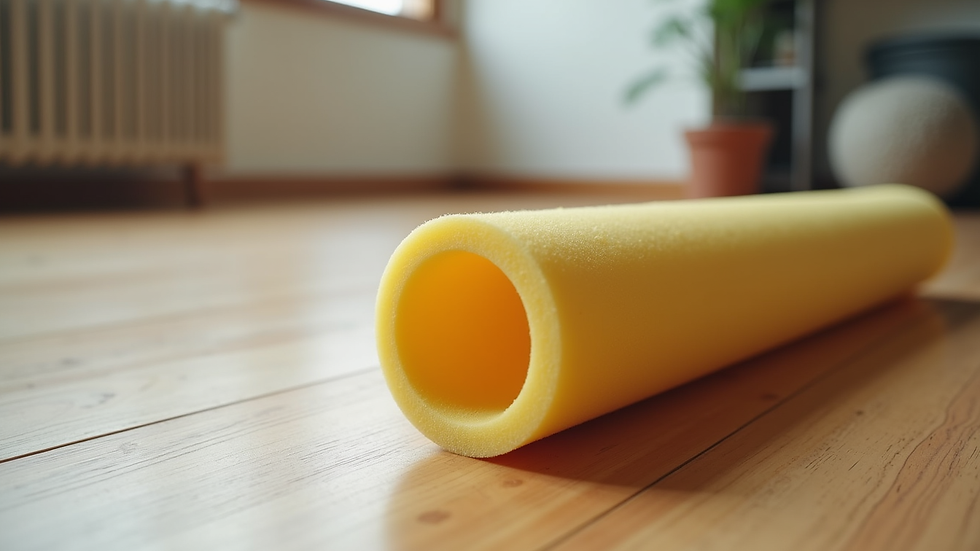
Massage helps release muscle knots and improve circulation. Techniques like deep tissue massage or trigger point therapy target tight spots. I find that professional massage therapists can tailor treatments to specific needs. Self-massage tools like foam rollers or massage balls also provide relief.
4. Progressive Muscle Relaxation
This technique involves tensing and then relaxing muscle groups systematically. It helps increase body awareness and reduce overall tension. Start from the feet and move upward, holding tension for 5 seconds before releasing.
5. Proper Hydration and Nutrition
Dehydration and poor nutrition can worsen muscle tightness. Drinking enough water and consuming foods rich in magnesium, potassium, and calcium supports muscle function. Avoid excessive caffeine and alcohol, which can contribute to dehydration.
Incorporating Movement and Posture Adjustments
Movement and posture play a crucial role in managing muscle tension. Sitting or standing incorrectly for long periods strains muscles and joints. I suggest the following adjustments:
Use ergonomic chairs and desks
Take breaks every 30-60 minutes to stand and stretch
Practice mindful posture by keeping shoulders relaxed and spine aligned
Engage in low-impact activities like walking, swimming, or yoga
These habits reduce muscle fatigue and promote long-term relief.

When to Seek Professional Help
If muscle tension persists despite home care, it may require professional intervention. Physical therapists, chiropractors, and massage therapists offer specialized treatments. They can assess underlying issues and design personalized plans.
In some cases, muscle tension relates to chronic conditions such as arthritis or fibromyalgia. Medical evaluation ensures proper diagnosis and management.
For those looking for expert guidance, muscle tension relief services provide targeted therapies to restore mobility and reduce pain.
Maintaining Long-Term Muscle Health
Preventing muscle tension is as important as treating it. I recommend these ongoing practices:
Maintain regular physical activity
Practice daily stretching routines
Manage stress through meditation or breathing exercises
Sleep on supportive mattresses and pillows
Stay hydrated and eat a balanced diet
Consistency helps keep muscles flexible and resilient.
Taking Control of Muscle Tension
Muscle tension can limit quality of life, but it does not have to. Using these techniques, I have regained comfort and mobility. Whether through stretching, heat, massage, or posture changes, relief is achievable.
Explore different methods and listen to your body. If needed, seek professional support to address persistent issues. With the right approach, muscle tension no longer controls your daily routine.
By applying these practical methods, you can reduce discomfort and improve your physical well-being. Start today and take steps toward lasting muscle tension relief.



Comments