
Proven Muscle Tension Relief Techniques

Muscle tension is a common issue that affects many people daily. It can cause discomfort, reduce mobility, and impact overall well-being. Over time, I have learned several effective methods to relieve muscle tension. These techniques are practical, easy to apply, and backed by experience and research. This post shares proven relieve muscle tension techniques that can help ease discomfort and improve muscle function.
Understanding Muscle Tension and Its Causes
Muscle tension occurs when muscles contract and do not fully relax. This can happen due to stress, poor posture, injury, or repetitive movements. When muscles stay tight for long periods, they can cause pain and stiffness. Understanding the root cause of muscle tension is essential to address it effectively.
Common causes include:
Stress and anxiety, which trigger muscle tightening as a physical response.
Sitting or standing in one position for too long.
Overuse of muscles during physical activity.
Poor ergonomics at work or home.
Lack of proper stretching before and after exercise.
Identifying these factors helps in choosing the right method to relieve muscle tension.
Effective Relieve Muscle Tension Techniques
I have found that combining several techniques works best for muscle tension relief. Here are some of the most effective methods:
1. Stretching and Mobility Exercises
Stretching helps lengthen tight muscles and improve blood flow. Simple stretches targeting the neck, shoulders, back, and legs can reduce tension quickly. I recommend holding each stretch for 20-30 seconds and repeating 2-3 times daily.
Examples of useful stretches:
Neck tilt and rotation.
Shoulder rolls and arm circles.
Hamstring and calf stretches.
Cat-cow stretch for the spine.
Regular mobility exercises also maintain joint flexibility and prevent stiffness.
2. Heat Therapy
Applying heat to tense muscles increases blood circulation and relaxes muscle fibers. I use a warm towel, heating pad, or take a warm bath to soothe tight areas. Heat therapy is especially helpful before stretching or massage.
Tips for heat therapy:
Use moderate heat to avoid burns.
Apply heat for 15-20 minutes.
Combine with gentle stretching afterward.
3. Massage Therapy
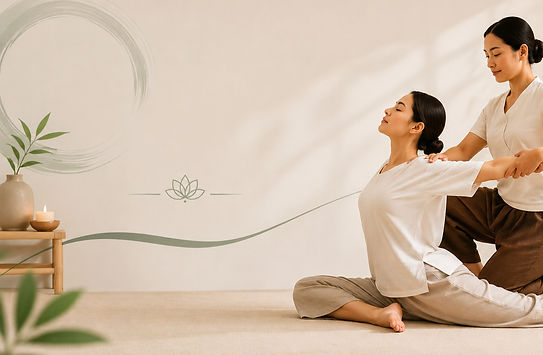
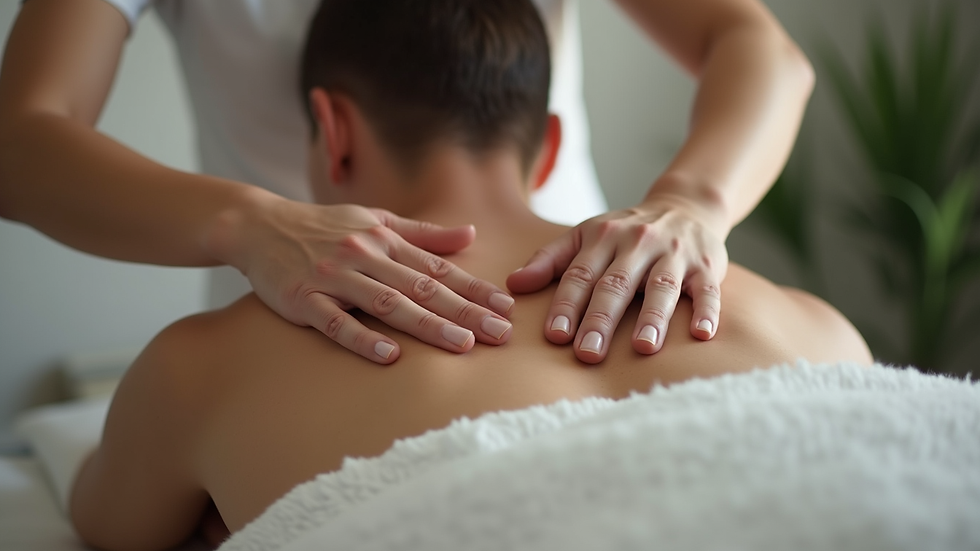
Massage is one of the most effective ways to relieve muscle tension. It helps break down knots, improves circulation, and promotes relaxation. I often recommend professional therapeutic massage, such as Thai massage, which uses deep pressure and stretching techniques.
Self-massage tools like foam rollers or massage balls can also target specific areas at home.

4. Proper Hydration and Nutrition
Dehydration can worsen muscle tension and cramps. Drinking enough water daily supports muscle function and recovery. Additionally, a balanced diet rich in magnesium, potassium, and calcium helps maintain muscle health.
Foods to include:
Leafy greens and nuts for magnesium.
Bananas and avocados for potassium.
Dairy products and fortified alternatives for calcium.
5. Mindfulness and Relaxation Techniques
Stress is a major contributor to muscle tension. Practicing mindfulness, deep breathing, or meditation can reduce stress levels and relax muscles. I find that even a few minutes of focused breathing daily helps ease tension.
Simple relaxation exercises:
Diaphragmatic breathing.
Progressive muscle relaxation.
Guided imagery or meditation apps.
When to Seek Professional Help
If muscle tension persists despite self-care, it may indicate an underlying condition. Chronic tension can lead to muscle imbalances, nerve compression, or joint problems. In such cases, consulting a healthcare professional or licensed massage therapist is important.
Professional therapists can provide:
Targeted therapeutic massage.
Postural assessments.
Customized exercise plans.
Advice on ergonomics and lifestyle changes.
For those in Markham, On Point Thai Therapy offers authentic and effective therapeutic Thai massages. Their skilled therapists use traditional techniques to help clients find lasting muscle tension relief.

Integrating Techniques into Daily Life
Consistency is key to managing muscle tension. I suggest creating a daily routine that includes:
Morning and evening stretching.
Regular breaks during work to move and stretch.
Using heat therapy after long periods of inactivity.
Scheduling regular massage sessions.
Practicing relaxation techniques to manage stress.
Small changes in daily habits can prevent muscle tension from building up and improve overall comfort.
Building a Supportive Environment
Creating a workspace and home environment that supports muscle health is essential. This includes:
Ergonomic chairs and desks.
Proper monitor height and keyboard placement.
Supportive footwear.
Comfortable sleeping positions with good mattresses and pillows.
These adjustments reduce strain on muscles and help maintain good posture.
Final Thoughts on Muscle Tension Management
Muscle tension is manageable with the right approach. Using a combination of stretching, heat, massage, hydration, and relaxation techniques provides effective relief. Paying attention to posture and lifestyle habits also plays a crucial role.
For those seeking professional help, muscle tension relief through therapeutic Thai massage offers a traditional and proven solution. On Point Thai Therapy in Markham is dedicated to helping people find relief and improve their quality of life through skilled and authentic treatments.
By adopting these proven relieve muscle tension techniques, you can reduce discomfort and support your body’s natural healing process.


Comments