
Traditional Thai Massage Methods Explained

Traditional Thai massage is a therapeutic practice that has been refined over centuries. It combines acupressure, Indian Ayurvedic principles, and assisted yoga postures. This massage method targets the body's energy lines to relieve tension and improve mobility. I will explain the core techniques used in traditional Thai massage and how they benefit those with chronic muscle, hip, knee, or back pain.
Understanding Traditional Thai Massage Methods
Traditional Thai massage methods focus on manipulating the body’s energy pathways, known as "Sen" lines. These lines run throughout the body and influence physical and emotional health. The massage therapist applies pressure along these lines using hands, thumbs, elbows, knees, and feet. The goal is to unblock energy flow and restore balance.
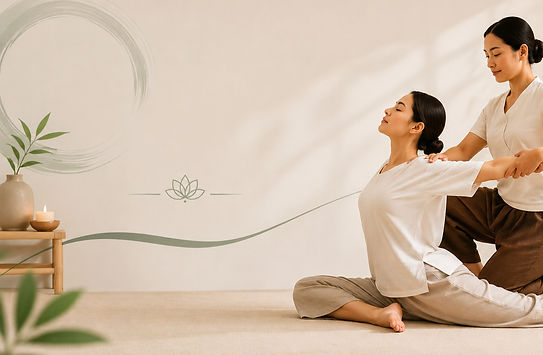
The massage also involves gentle stretching and rhythmic compressions. These movements increase flexibility and reduce muscle stiffness. For example, a therapist may stretch the legs and hips to relieve tightness in the lower back and improve joint mobility.
The techniques are performed on a mat on the floor, allowing the therapist to use body weight effectively. This approach differs from Western massage, which typically uses a massage table and focuses on muscle kneading.

Key Techniques in Traditional Thai Massage
Several techniques form the foundation of traditional Thai massage. Each has a specific purpose and method of application.
Palming and Thumbing
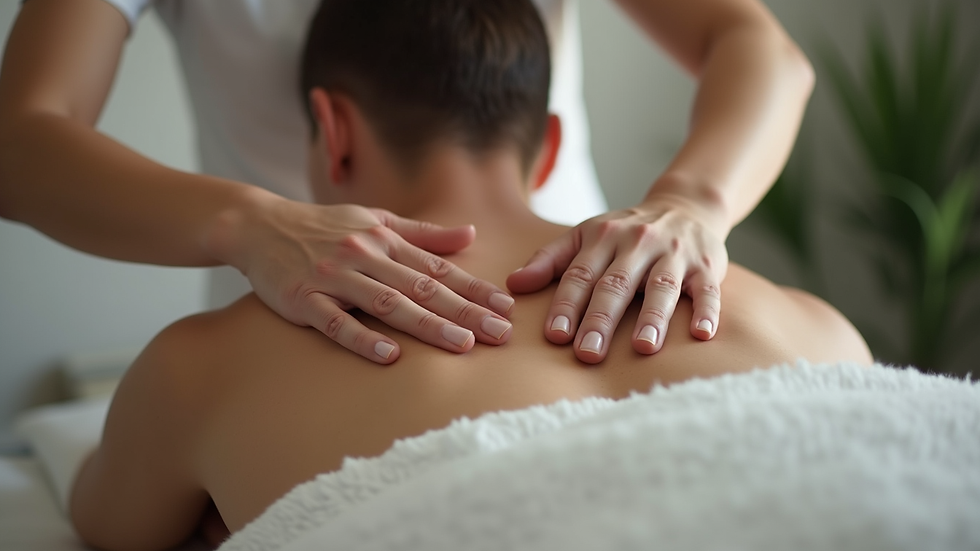
The therapist uses the palms and thumbs to apply firm pressure along the Sen lines. This technique targets muscle knots and tension points. It helps reduce pain and improve circulation.
Elbow and Knee Pressure
For deeper pressure, the therapist uses elbows and knees. This is especially useful for large muscle groups like the back and thighs. It can relieve chronic tightness and improve blood flow.
Passive Stretching
The therapist moves the client’s limbs through a range of motion. This stretching increases joint flexibility and reduces stiffness. It is particularly beneficial for hips and knees affected by arthritis or injury.
Rocking and Rhythmic Compression
Gentle rocking motions and rhythmic pressing relax the nervous system. This technique calms the body and reduces muscle spasms.
Foot Pressure
The therapist may use their feet to apply pressure, especially on the back and legs. This method allows for sustained, even pressure over larger areas.
Each technique is adapted to the client’s needs. For example, someone with chronic back pain may receive more elbow pressure and spinal stretches, while a person with knee pain might benefit from gentle leg stretches and palming.
Benefits of Traditional Thai Massage for Chronic Pain
Traditional Thai massage offers several benefits for those with chronic muscle, hip, knee, or back pain. The combination of pressure and stretching addresses both muscle and joint issues.
Pain Relief: The massage reduces muscle tension and releases endorphins, which act as natural painkillers.
Improved Mobility: Stretching techniques increase joint range of motion, making daily movements easier.
Enhanced Circulation: Pressure along energy lines boosts blood flow, promoting healing and reducing inflammation.
Stress Reduction: The rhythmic nature of the massage calms the nervous system, lowering stress levels that can worsen pain.
Posture Correction: By releasing tight muscles, the massage helps improve posture, which can reduce strain on hips and back.
I have seen clients regain significant mobility and experience less pain after regular sessions. The key is consistency and working with a skilled therapist who understands the specific needs of chronic pain sufferers.

How to Prepare for a Traditional Thai Massage Session
Preparation can enhance the benefits of a traditional Thai massage. Here are some practical tips:
Wear Comfortable Clothing: Loose, breathable clothes allow for easy movement during stretches.
Hydrate Well: Drinking water before and after the session helps flush out toxins released during massage.
Communicate Your Needs: Inform the therapist about your pain areas and any medical conditions. This helps tailor the session.
Arrive Early: Give yourself time to relax before the massage begins. Stress can reduce the effectiveness of the treatment.
Avoid Heavy Meals: A light meal or fasting for a few hours before the massage prevents discomfort during stretching.
During the session, focus on your breathing and try to relax your muscles. This will help the therapist work more effectively.
Integrating Traditional Thai Massage into Pain Management
Traditional Thai massage can be a valuable part of a comprehensive pain management plan. It works well alongside physical therapy, medication, and exercise.
Regular Sessions: Consistent massage treatments can maintain muscle flexibility and reduce flare-ups.
Home Exercises: Therapists often recommend simple stretches to do at home to prolong benefits.
Lifestyle Adjustments: Combining massage with ergonomic changes and proper posture supports long-term relief.
Professional Guidance: Always consult healthcare providers before starting any new therapy, especially if you have serious conditions.
On Point Thai Therapy aims to be the trusted solution for individuals suffering from chronic muscle and joint pain, helping them regain mobility and improve their quality of life through specialized therapeutic techniques. Traditional Thai massage methods fit well within this goal by addressing pain at its source and promoting healing.
By understanding these techniques and their benefits, you can make informed decisions about incorporating traditional Thai massage into your pain relief routine.
If you want to learn more about traditional Thai massage or book a session, visit On Point Thai Therapy.


Comments